




Vesuvius & Hercolaneum
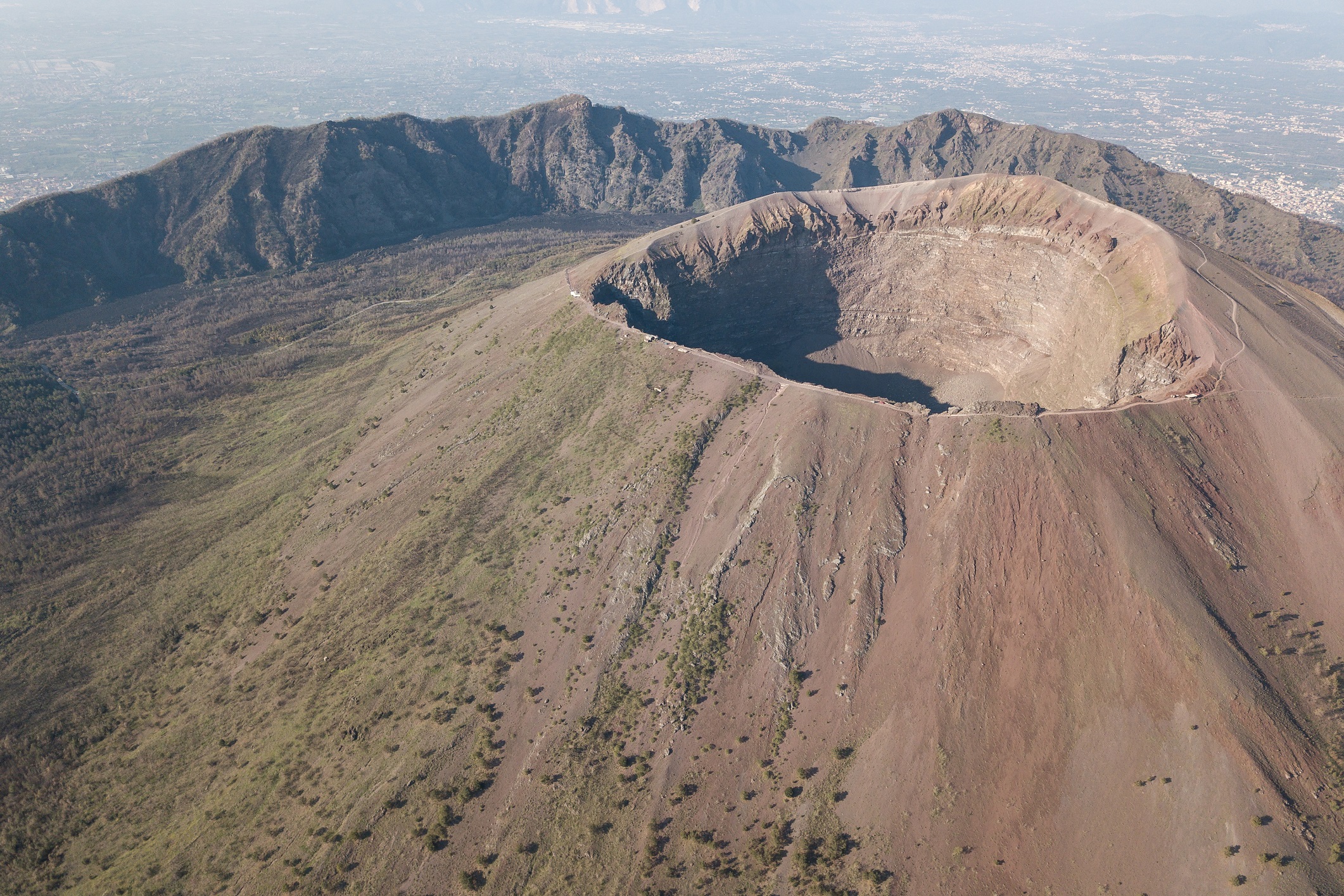
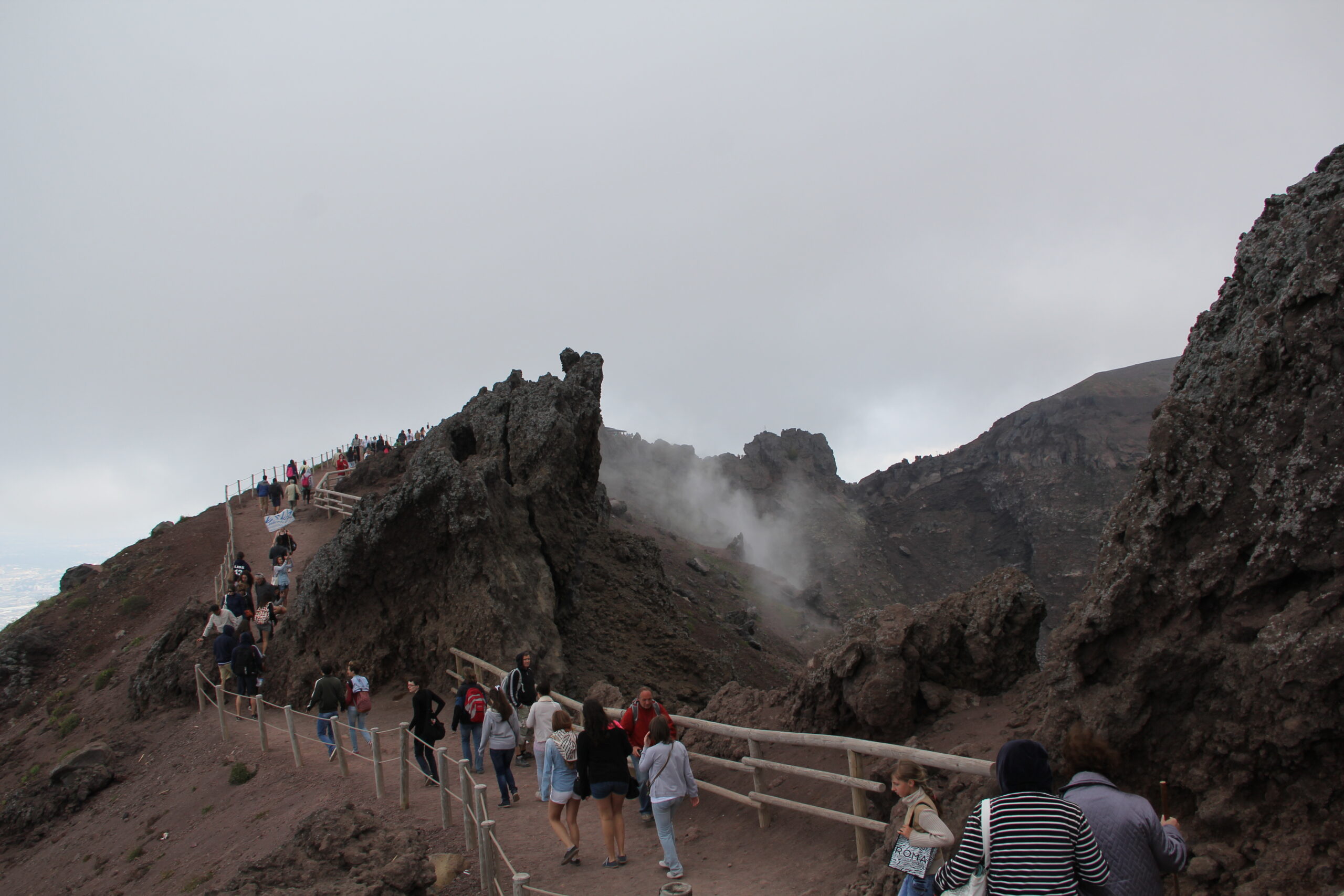
Mount Vesuvius, an iconic stratovolcano, looms majestically over the Bay of Naples in southern Italy. Its silhouette, etched against the sky, conceals a tumultuous geological history and profound cultural significance.
Rising to an elevation of 4,203 feet (1,281 meters), Vesuvius is renowned for its destructive eruption in 79 CE, which famously buried the Roman cities of Pompeii and Herculaneum. The volcano's last eruption occurred in 1944, and it is considered one of the most dangerous volcanoes due to its proximity to densely populated areas.
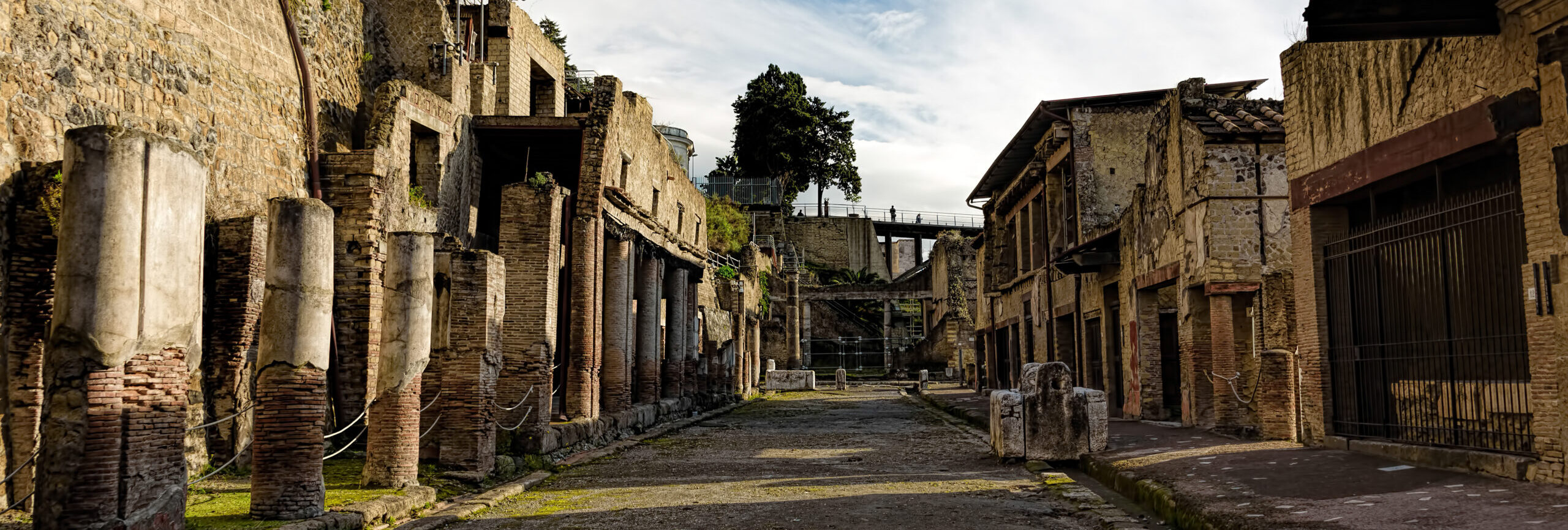
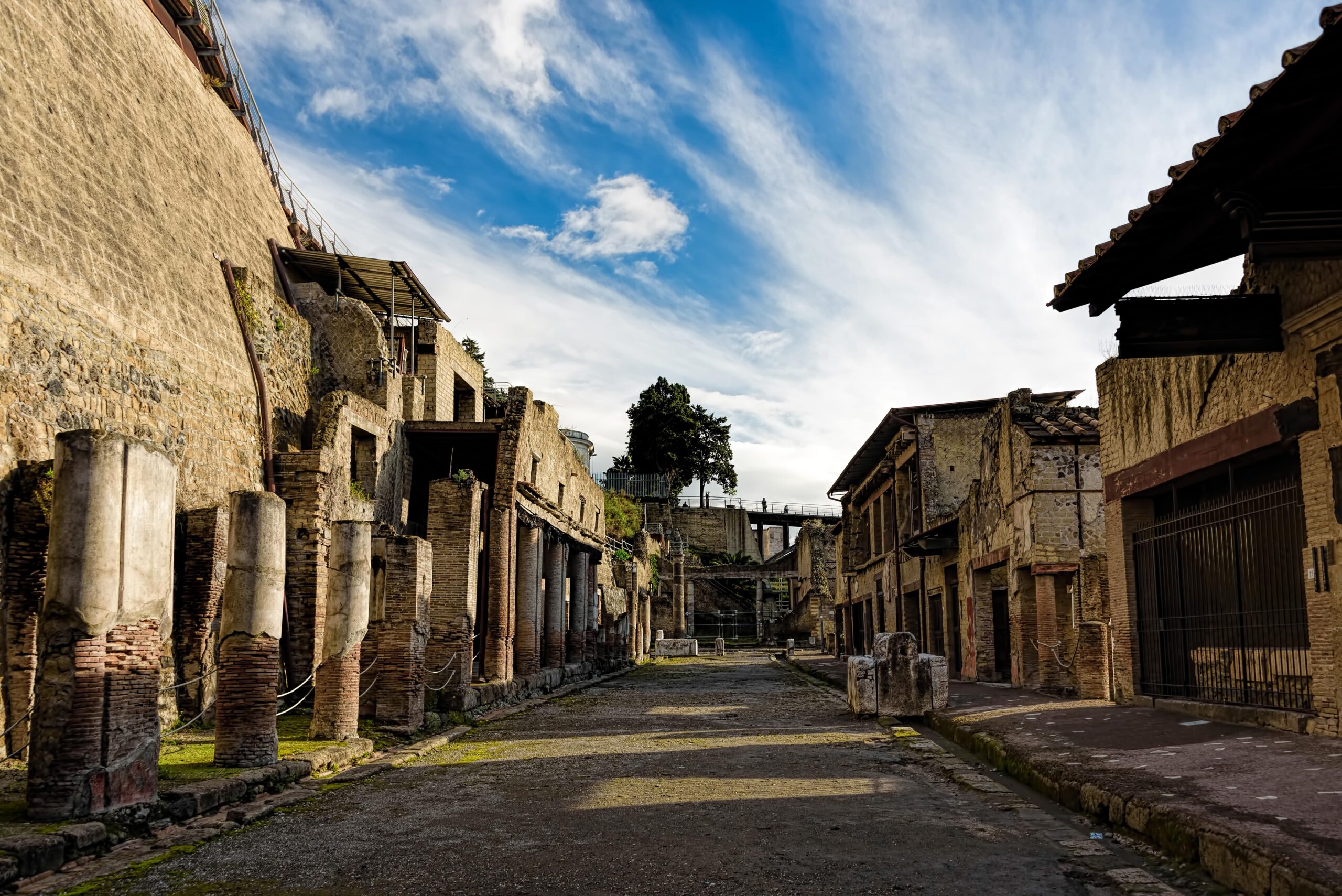
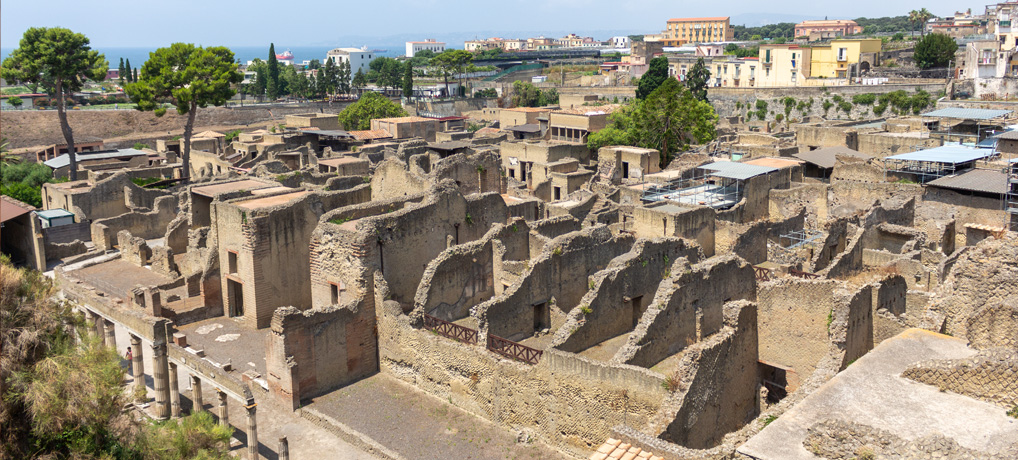
Herculaneum stands as a poignant testament to the profound impact of Mount Vesuvius. This ancient Roman town, contemporaneous with Pompeii, met a similar fate in 79 CE. However, Herculaneum's story unfolds with distinctive nuances.

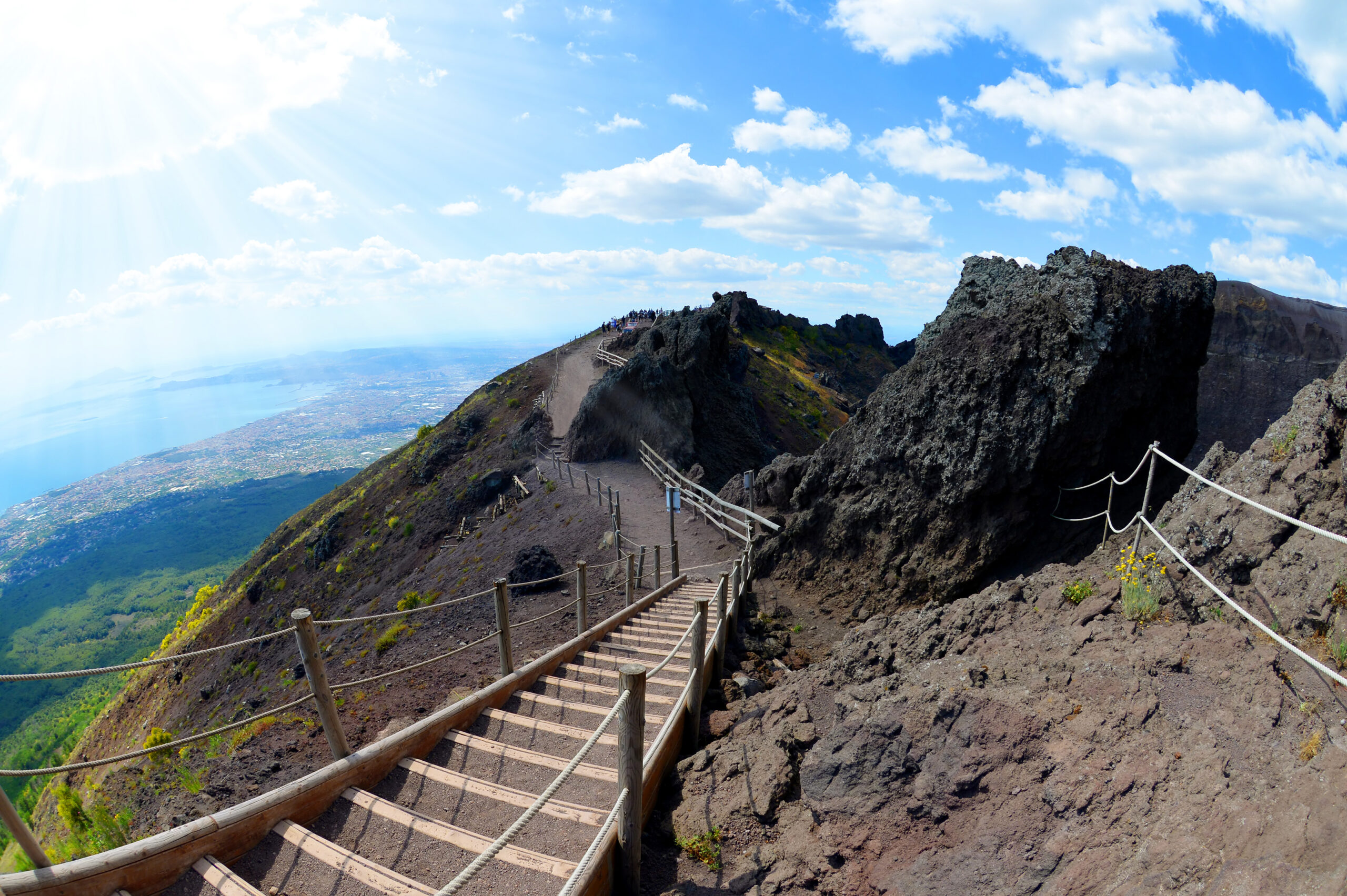
Tourists and hikers are drawn to Vesuvius for its panoramic views of the Bay of Naples, the Tyrrhenian Sea, and the distant islands of Capri and Ischia. Visitors can ascend the volcano’s slopes to reach the crater rim, gaining a unique perspective on the geological forces that have shaped the landscape.
While Vesuvius holds the ominous reputation of a potentially active volcano, its allure lies in the juxtaposition of danger and beauty. It stands as both a geological marvel and a somber reminder of the unpredictable forces that have shaped the course of history in this culturally rich region of Italy.
Good to Know
Read the basic info and also some fun facts about Pompeii!
Hercolaneum
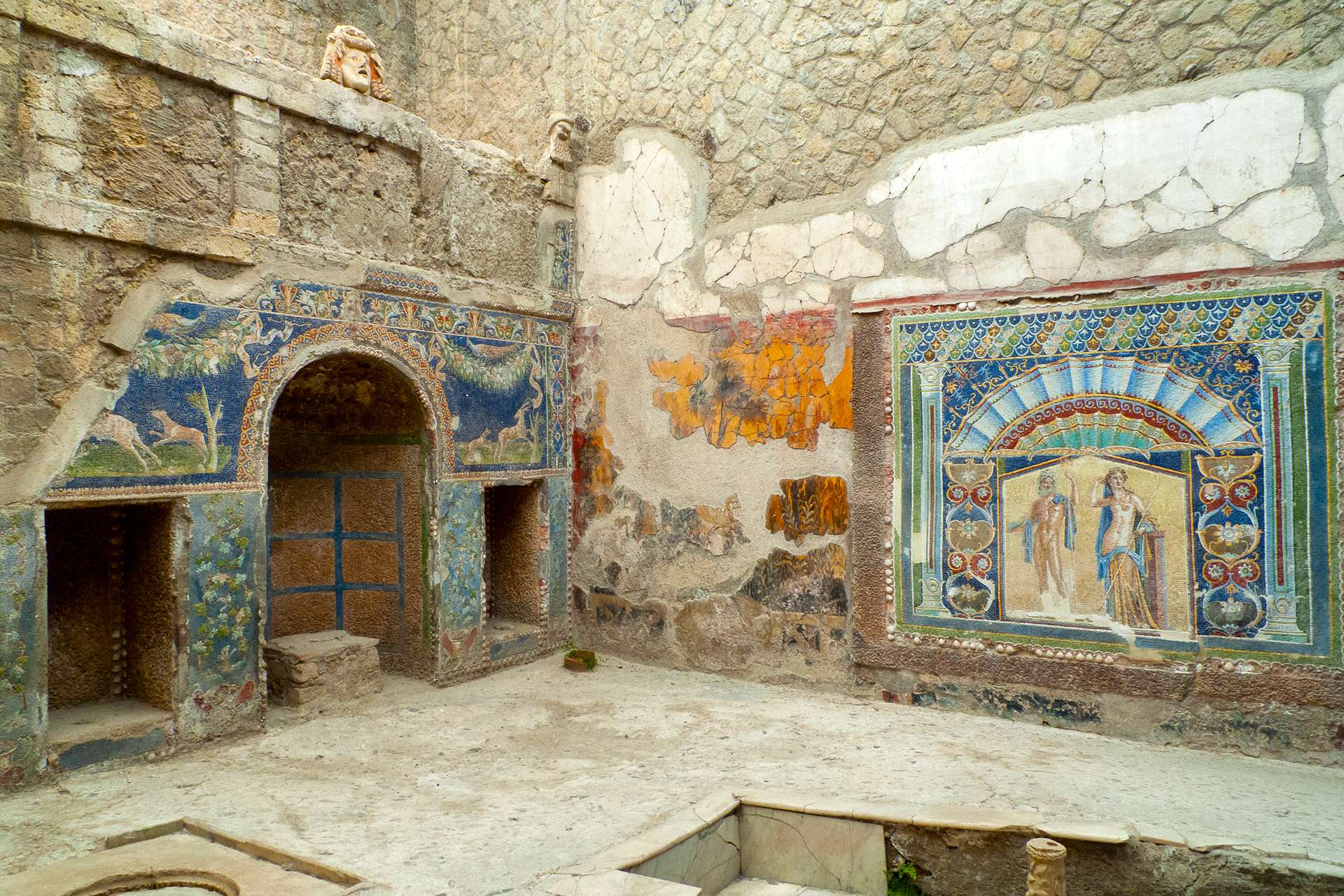
Unlike Pompeii, Herculaneum suffered a different destiny. Buried under layers of volcanic mud and ash, the town's organic materials, wooden structures, and even some vivid colors remain exceptionally preserved. The Villa dei Papiri, discovered with its scrolls intact, adds an extra layer of historical richness. The Suburban Baths showcase Roman engineering prowess, while the Decumanus Maximus, the main street, guides visitors through the heart of the ancient city. The waterfront, once bustling with maritime activity, reflects Herculaneum's strategic coastal location. Herculaneum, although smaller than Pompeii, exudes a sense of intimacy. Its well-preserved artifacts, from carbonized beds to wooden furniture, offer a more personal connection to the daily lives of its residents. The haunting casts of human figures, reminiscent of Pompeii, evoke empathy for those trapped in the throes of the volcanic disaster. Today, Herculaneum provides a captivating archaeological experience, inviting travelers to stroll through its remarkably preserved streets, explore opulent residences frozen in time, and contemplate the profound intersection of nature and human history on the Bay of Naples.

Leave a Reply
Do you have some comments or questions for us? We’d love to hear from you! Don’t be shy! Feel free to drop us a message!